What will change for the Belgian economy?
The risk and costs associated with currency exchange will disappear. It will be easier for Belgian companies to export goods and services to Bulgaria and to invest there. Belgium is an increasingly important and valued trading partner for Bulgaria. Belgian exports to Bulgaria are varied. On the other hand, copper is by far the main commodity imported from Bulgaria by Belgian companies. Direct investments include KBC Group’s stake in United Bulgarian Bank (UBB), the country’s leading bancassurance company. Solvay is also present in Bulgaria thanks to its indirect holdings. Moreover, in 2017, the Spadel Group acquired the local mineral water producer Devin.
On 1 January 2025, the Bulgarian community in Belgium was close to 50 000 people, a growing number of which are taking Belgian nationality (around 1 000 in 2024).
What will change for the Bulgarian economy?
Bulgarian businesses will now be able to access the single market and, in particular, the markets of euro area countries, without exchange rate risks. Bulgarian tourists will also be able to visit Belgium without incurring conversion and exchange fees and can shop more easily.
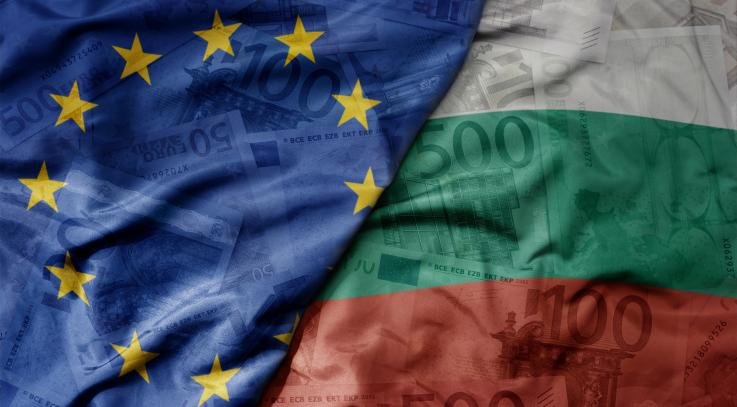
Approximately 65% of Bulgarian exports go to other EU countries and 45% to the euro area. More than 80% of Bulgarian imports are denominated in euros. Joining the euro area will further facilitate trade between Bulgaria and euro area countries, and Bulgarian companies will become even more integrated into the value chains of the European monetary union. Indeed, studies have shown that each step towards joining the euro area or Schengen area brings integration -gains. And thanks to this increased integration, Bulgaria will be able to grow stronger and catch up to the other Member States participating in the single European currency.
Since the start of the transition period towards adoption of the euro, the sovereign spread between Bulgarian bonds and those of other euro area countries has narrowed. This has enabled the Bulgarian government, businesses and households to access financing at a lower cost, which is likely to stimulate investment and growth potential. The decision of the Council of the EU in July 2025 to allow Bulgaria to join the euro area also led the main credit rating agencies to upgrade their ratings for Bulgaria. Furthermore, by gaining access to a vast pool of euro-denominated capital, Bulgaria will be able to diversify its investor base and broaden its access to financial markets and should benefit from lower financing costs and/or better risk management.