Pound-Euro could extend its recovery if UK services data confirms renewed growth, although weaker German releases may be needed to unlock a return towards €1.18.
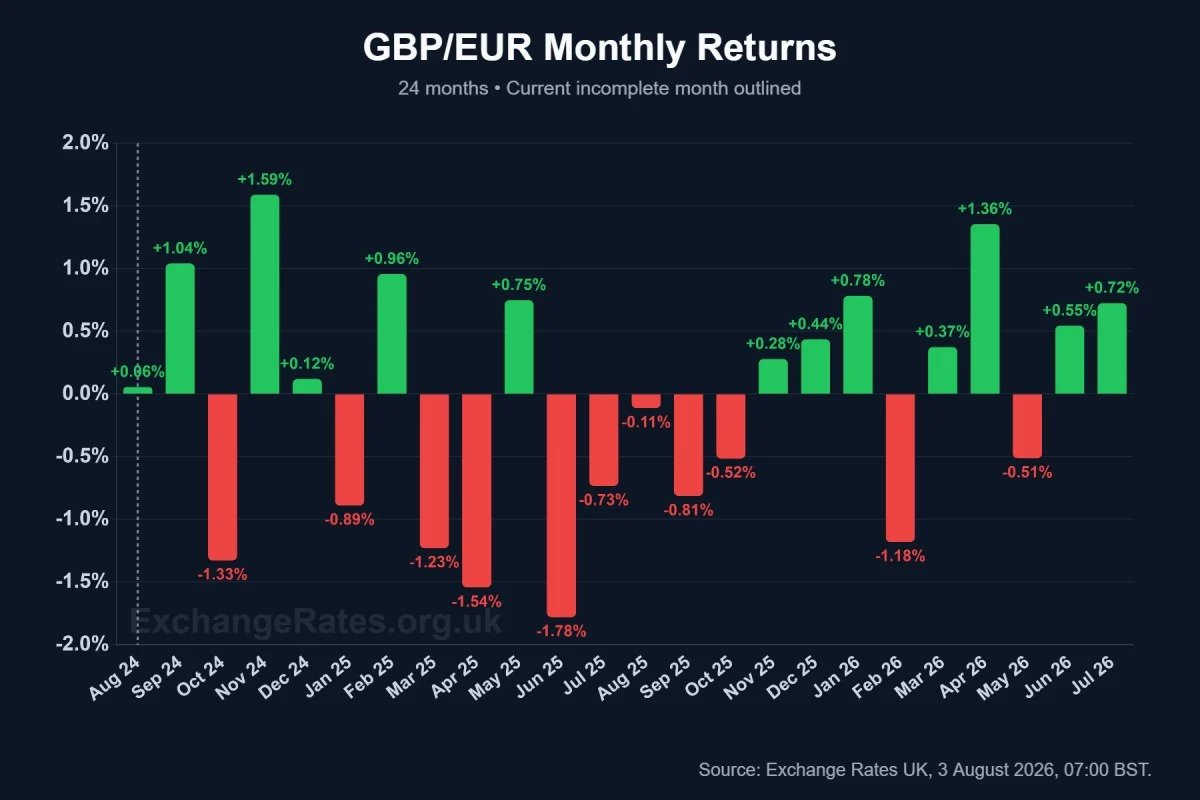
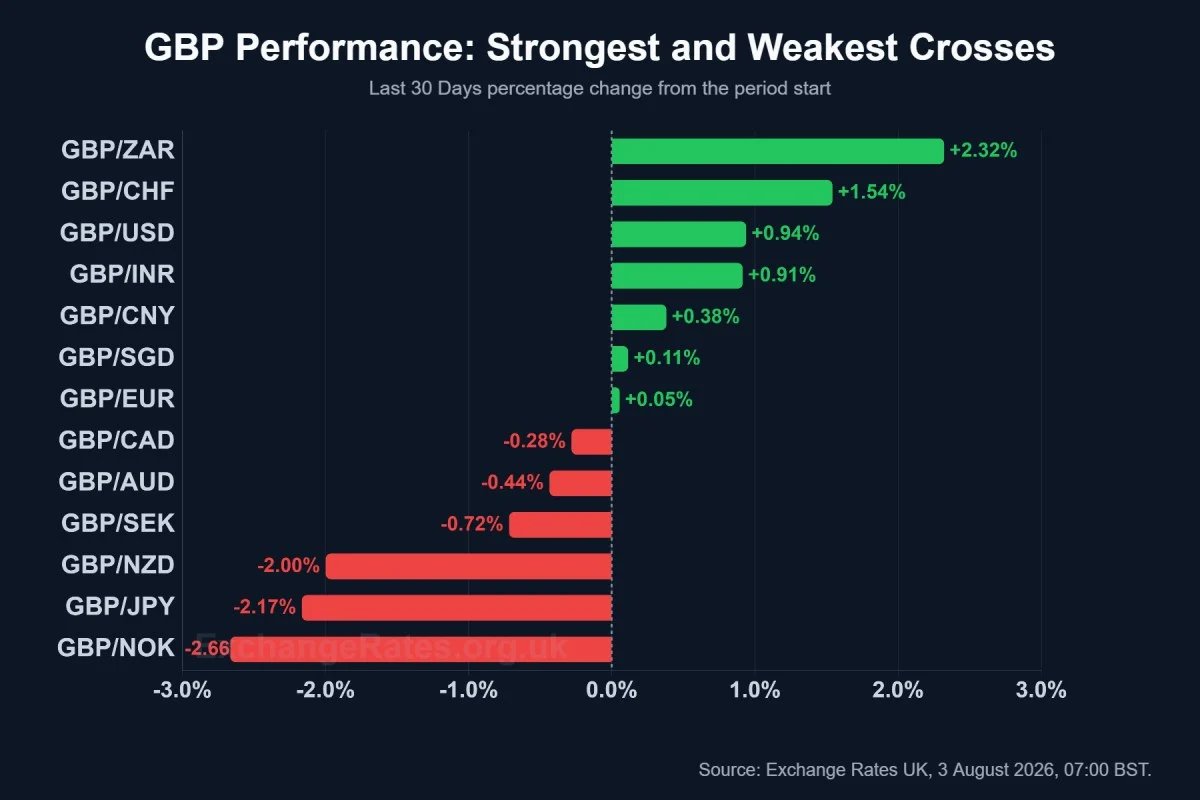
The Pound to Euro (GBP/EUR) exchange rate fell to a one-month low last week before recovering after the Bank of England’s interest rate decision and renewed reassurance over the UK government’s fiscal plans.
At the time of writing, GBP/EUR was trading around €1.1690, down approximately 0.2% over the week.
WEEKLY RECAP:
The Pound (GBP) lacked support through the first half of last week, with the absence of major UK economic releases giving Sterling little to work with ahead of Thursday’s Bank of England policy announcement.
Sterling recouped some of its losses following the central bank’s decision, although its advance proved patchy as markets assessed the voting split and the tone of the accompanying guidance.
Policymaker Catherine Mann backed an interest rate hike alongside two other members, having voted to keep rates on hold at previous meetings.
At the same time, BoE Governor Andrew Bailey remarked that there was limited evidence to suggest inflation was becoming entrenched across the economy.
Although the Pound opened Friday’s session on the back foot, it recovered as the day progressed.
Chancellor John Healey helped steady sentiment after confirming the date of the Autumn Budget and reaffirming the government’s commitment to its fiscal rules.
Meanwhile, the Euro (EUR) firmed early last week as Germany’s latest IFO business climate index beat forecasts, rising for the third consecutive month to hit a five-month high.
The common currency then extended its gains thanks to a decline in the US Dollar (USD), with which EUR is negatively correlated, helping the single currency hit a one-month high against Sterling.
However, the Euro gave back some of its gains on Thursday despite stronger-than-forecast GDP figures.
Geopolitical tensions put pressure on the single currency after a Russian missile crashed in Poland.
Slightly hotter-than-forecast inflation data lent EUR support on Friday, although the Euro’s upside remained limited.

Near-Term GBP/EUR Forecast: Final PMIs to Influence the Pairing?
Looking ahead, the final UK and Eurozone services PMIs for July could influence the Pound to Euro exchange rate in the middle of the week.
Both currencies could attract support if the surveys confirm renewed growth in their respective services sectors, while any unexpected revisions could generate sharper movement.
UK economic data is then in short supply through the remainder of the week, potentially leaving Sterling without a strong domestic catalyst.
Meanwhile, slowing German factory orders and weaker Eurozone retail sales could weigh on the Euro on Thursday.
The single currency may then face additional pressure on Friday if German industrial production stalled in June.
Our currency coverage draws on live market data, official economic releases and published bank research.