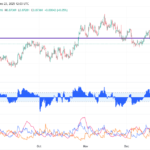


The dollar index, which measures the US currency against six other units, was 0.15% lower at 99.10, set for a nearly 9% decline in the year.
The dollar headed for its ninth straight decline on Wednesday as traders ramped up bets on Federal Reserve rate cuts following US economic data and growing expectations of a more dovish central bank.
Fed Governor Christopher Waller said last week the labour market is weak enough to justify another quarter-point rate cut in December, while White House economic adviser Kevin Hassett emerged as the frontrunner to become the next Fed chair. US President Donald Trump said he would be announcing his pick as Fed chair early in 2026.
“Such an announcement, if it occurs this early, will create a ‘shadow Fed chair’ since current Fed Chair Powell’s term does not end until May,” said Kristina Hooper, chief market strategist at Man Group.
“This could complicate the Fed’s ability to communicate monetary policy and could create some confusion for markets at a time when they need clarity,” she added.
Markets priced in an 87 per cent chance of a rate cut this month on Wednesday, according to the CME Group’s FedWatch tool. The probability was at 30 per cent on November 19.
Now that a December move is almost fully priced in, investors will shift their focus to the Fed following decisions, with markets indicating cuts for 88 basis points by December 2026.
The dollar index, which measures the US currency against six other units, was 0.15 per cent lower at 99.10, set for a nearly 9 per cent decline in the year.
Euro rises with talks over Ukraine in focus
The euro rose 0.11 per cent to $1.1639 as investors monitored progress in Ukraine peace talks, which could bolster energy security and lower costs, supporting the single currency.
However, Russia and the US did not reach a compromise on a possible peace deal to end the war in Ukraine after a five-hour Kremlin meeting between President Vladimir Putin and Trump’s top envoys, the Kremlin said on Wednesday.
Analysts said the euro could rally further if a ceasefire or full peace agreement is reached, particularly if elevated defense spending, which is expected to support the economy in coming years, remains in place.
Euro zone inflation data came in slightly above expectations on Tuesday, but bets on the policy rate path were unchanged, with the European Central Bank expected to stay on hold through early 2027.
Yen not far from danger zone for intervention
The Japanese yen dropped 0.13 per cent to 155.69 against the dollar on Wednesday after rising 0.25 per cent to 155.89 the day before as Bank of Japan Governor Kazuo Ueda provided the strongest signal yet of a rate hike later this month.
“The initial price action casts some doubt on whether an earlier BoJ rate hike will be sufficient on its own to reverse the yen weakening trend that has been in place since Sanae Takaichi won the Liberal Democratic Party (LDP) leadership election in early October,” said Lee Hardman senior currency economist at MUFG.
Prime Minister Takaichi is expected to favour an expansionary fiscal policy and lower rates.
“It may still require intervention if the yen continues to weaken,” he added.
Analysts said Washington is likely to push back against any yen slide to or beyond 160.00 making intervention likely around that level, while noting US Treasury Secretary Scott Bessent has repeatedly blamed BoJ policy for keeping the currency undervalued.
Aussie gains, Bitcoin rebounds
In Asia, the Australian dollar hit its highest level since October 30 at $0.6584 after gross domestic product data was slightly below expectations. The Reserve Bank of Australia is due to meet next week and is expected to hold rates steady.
The other main action in Asia was in India where the rupee breached the closely watched 90 per US dollar threshold, pressured by weak trade and portfolio flows despite strong economic growth in the world’s fifth-largest economy.
A sharp rebound for bitcoin helped investors get somewhat in the mood for taking on a bit more risk. The biggest cryptocurrency by market value rose 2 per cent on Wednesday to a two-week high of $93,633.70 after a per cent rise in the previous session.
Bitcoin had slumped at the start of December after a woeful November when it fell more than $18,000 as a record amount of money rushed out of the market, its largest dollar loss since May 2021, when a number of cryptocurrencies collapsed.
Published on December 3, 2025