After several consecutive days of decline, the Cuban black market for foreign currency witnessed a rebound this Sunday, with both the U.S. dollar and the euro gaining ground against the Cuban peso. This movement could potentially signal the start of a new upward trend.
According to the representative rate published by elTOQUE, the U.S. dollar (USD) increased by 10 pesos in the last 24 hours, now standing at 420 Cuban pesos (CUP).
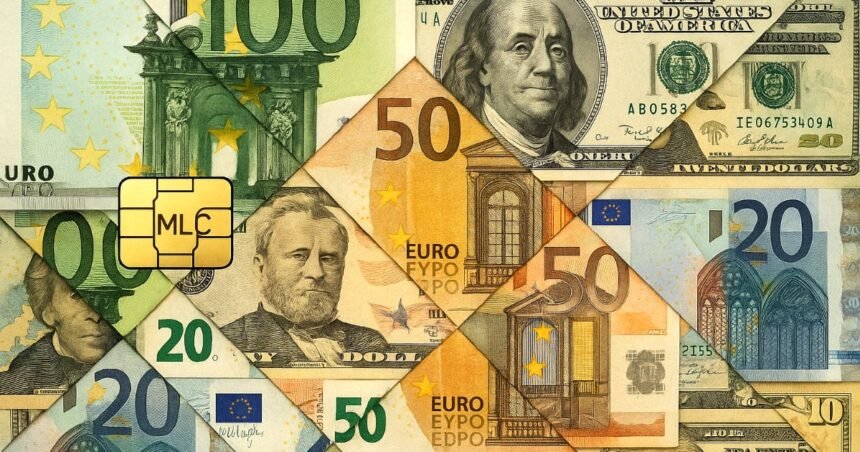
The euro (EUR) also saw a slight rise, moving from 450 to 455 CUP, while the Freely Convertible Currency (MLC) remained stable at 205 CUP.
Exchange Rates on Sunday, November 9, 2025
The shift interrupts the downward trend that had settled in the black market since late October when the dollar fell from 485 to 410 CUP, and the euro showed a similar pattern, dropping from 540 to 450 CUP. This rapid decline meant a reduction of nearly 100 Cuban pesos in just 10 days.
This moderate variation suggests that the market is once again reacting to demand pressure and the prevailing uncertainty dominating the national economy.
Analysts view the rise in the dollar and euro as an expected response after several days of apparent correction. The Cuban informal market tends to react swiftly to any changes in supply or perceptions of the peso’s stability. Since 2022, the trend has been a constant devaluation of the national currency, briefly interrupted by short pauses or momentary decreases that have never managed to reverse the sustained deterioration of the CUP.
Economic Factors Influencing the Market
Persistent inflation, a lack of official foreign currency, and distrust in the economic institutions of the regime continue to drive demand for dollars and euros as a store of value. Additionally, cash shortages and banking connectivity issues on the island further fuel the parallel market.
While the government remains silent about the promised “floating rate” announced by Prime Minister Manuel Marrero Cruz at the end of 2024, the gap between the official and informal exchange rates continues to widen.
On the streets, Cubans watch digital market screens with resignation, aware that every rise in the dollar or euro translates into a new blow to the cost of living.
Although it is too early to determine if this rebound will mark a sustained trend, the return of rising foreign currency prices confirms that the informal market remains the most reliable indicator of Cuba’s economic crisis and the deep mistrust in the national peso.
Understanding the Cuban Black Market Currency Trends
Why did the U.S. dollar and euro rise in the Cuban black market?
The rise in the U.S. dollar and euro can be attributed to increased demand and prevailing economic uncertainty in Cuba, which has been exacerbated by persistent inflation and a lack of trust in the national currency.
What has been the trend of the Cuban peso in recent years?
The Cuban peso has seen a constant devaluation since 2022, with brief moments of stabilization that have never significantly reversed its overall decline.
How does the informal market impact the Cuban economy?
The informal market is a crucial indicator of Cuba’s economic health, reflecting real-time demand and trust in the national currency. Its fluctuations can impact the cost of living and economic decisions on the island.