
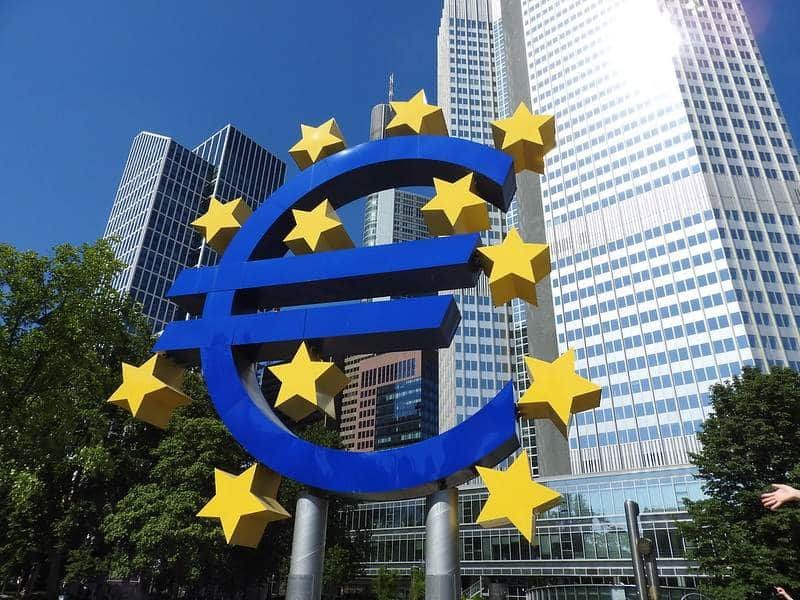
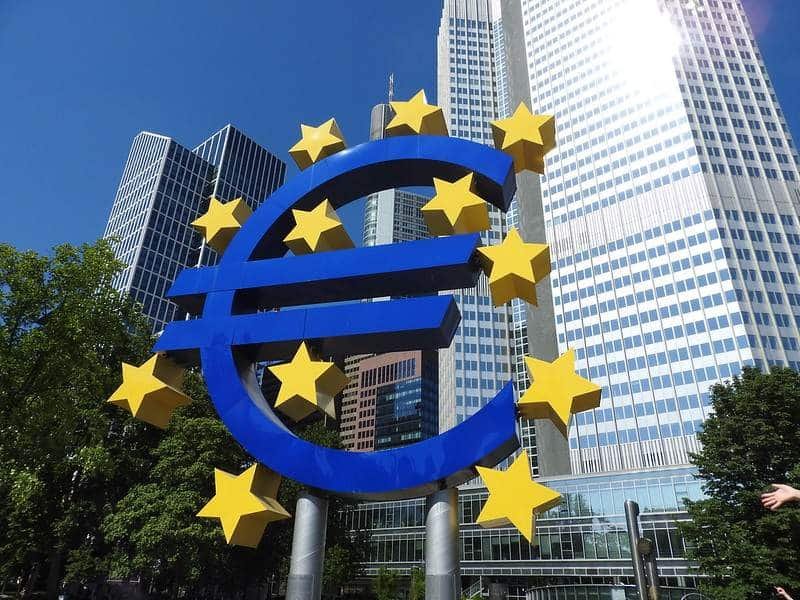
Bulgaria officially adopted the euro as its currency on 1 January 2026, becoming the 21st member of the eurozone and marking a historic step in its integration into the European Union’s economic framework. From the first minute of the new year, euro banknotes and coins began circulating across the country, while the Bulgarian National Bank joined the Eurosystem, aligning local monetary operations with those of the wider euro area. This move follows years of economic reforms and compliance with EU convergence criteria, demonstrating Bulgaria’s commitment to fiscal discipline and stability.
Dual Circulation and Transition Timeline
Throughout January 2026, both the lev and the euro remain legal tender, allowing consumers and businesses to use either currency in cash transactions. Starting 1 February, the euro will become the sole legal tender, although Bulgarian lev banknotes and coins can still be exchanged indefinitely at the Bulgarian National Bank free of charge. Commercial banks and certain post offices will provide free conversion until 30 June, after which a small fee may apply. The official conversion rate is fixed at 1 euro equals 1.95583 leva, reflecting Bulgaria’s longstanding currency board system.
Designs on the New Euro Coins
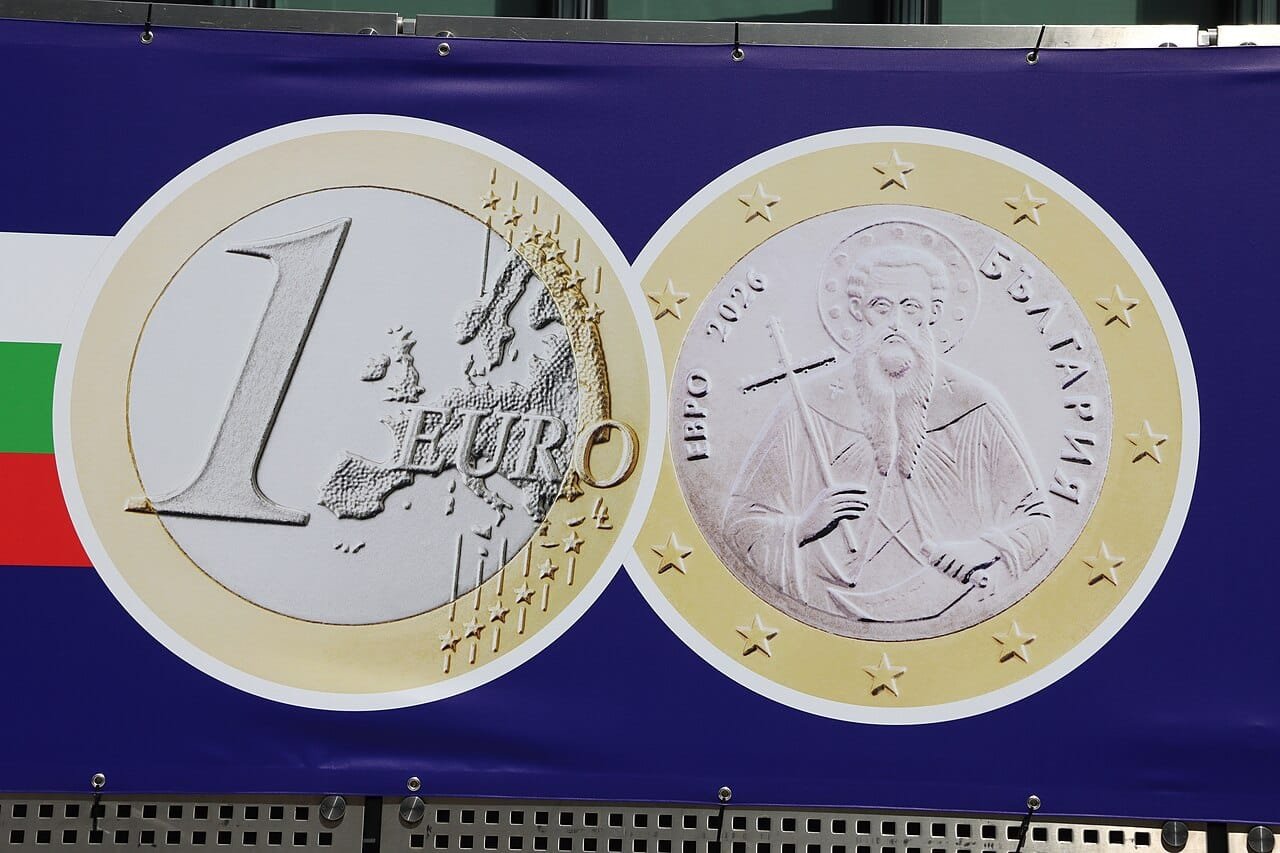
Bulgaria’s new euro coins celebrate national heritage while conforming to common euro currency standards. The €2 coin features Saint Paisius of Hilendar, a key figure in the Bulgarian national revival, while the €1 coin depicts Saint Ivan of Rila, the first Bulgarian hermit and founder of the Rila Monastery. The 50 cent coins show the Madara Rider, an early medieval rock carving and UNESCO World Heritage symbol. All coins include the country name “БЪЛГАРИЯ” (Bulgaria) in Cyrillic, highlighting Bulgaria’s identity within the shared European currency.
Public opinion divided over euro adoption
While many European and Bulgarian officials say the euro should boost investment, cut transaction costs, and strengthen Bulgaria’s ties with EU partners, public opinion remains divided at home.
Recent polls show mixed sentiment: an Alpha Research survey found support close to parity, with around 49 % of Bulgarians in favor and roughly 46 % opposed to joining the eurozone, with businesses notably more positive about the change.
Other surveys paint a more skeptical picture, reporting that 57 % of Bulgarians were against adopting the euro in principle and only 39 % in favor, reflecting concerns about price rises, national identity, and a lack of information. Another poll indicated that while 63 % support holding a referendum on the issue, a majority would vote against adopting the euro in 2026 if such a vote were held.
Overall, attitudes vary by age and region, with uncertainty and fear of short-term costs cited as key drivers of opposition, even as some surveys suggest a broader belief that long-term benefits may eventually outweigh drawbacks.