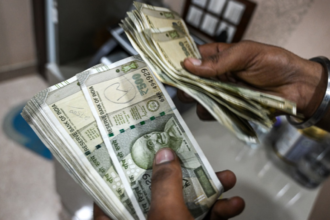
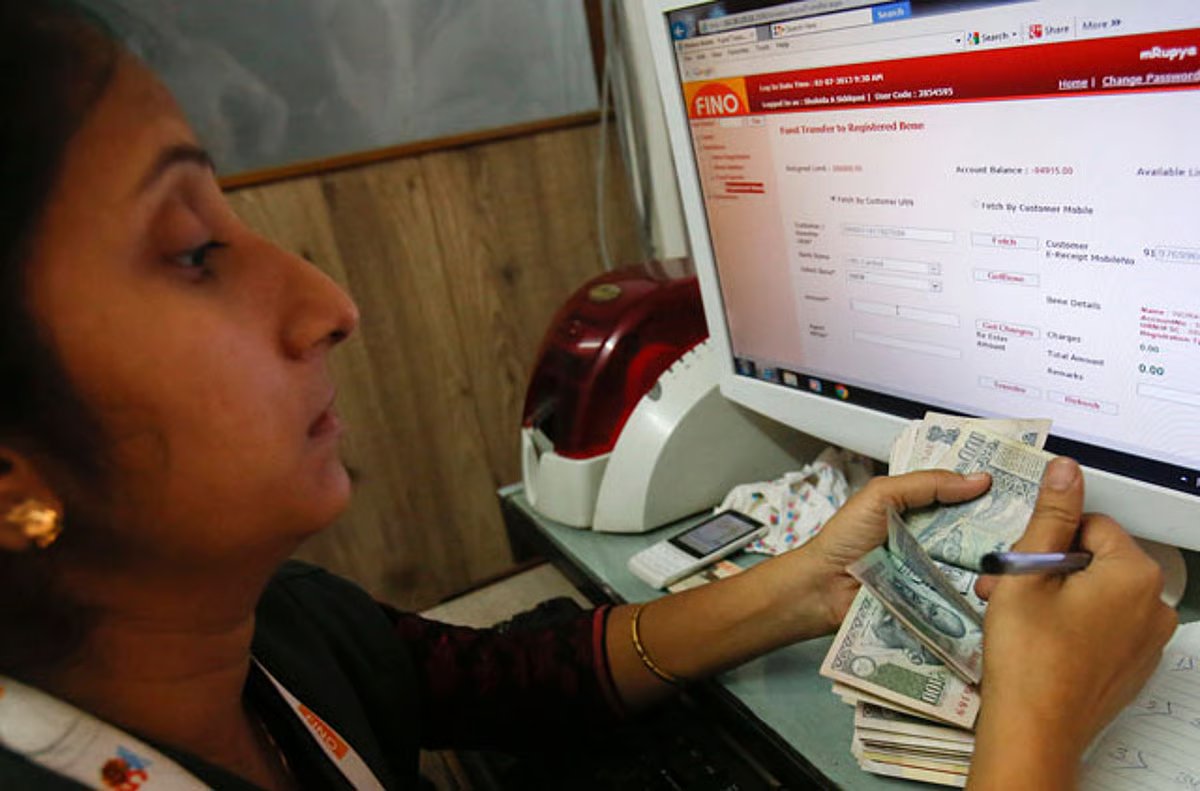
The daily tape through November underlines the shift. AED–INR spent the first half of the month clustered around ₹24.03 to ₹24.15, then pushed decisively higher after mid‑month, touching about ₹24.40 on November 21 and holding above ₹24.25 in the final week. Each dirham now converts into materially more rupees than earlier in 2025, lifting remittance values for salaried workers and small business owners alike.
Remittances riding a structural wave
The timing of this currency window coincides with a structural upswing in remittance flows into India. The World Bank estimates India received about $129 billion in remittances in 2024, the highest of any country and accounting for roughly 14% of global flows. UN and World Bank projections point to continued double‑digit growth for South Asia into 2025, supported by resilient labour demand in the Gulf and other high‑income destinations.
Al Fardan noted that this macro backdrop matters on the ground. “The current environment gives residents more rupees per dirham, which is favorable for those supporting education, EMIs, or investments in India. Sending money home now can have a greater impact with the same hard-earned money,” he said.
Is this the right time to remit
For many UAE Indians, the question is no longer whether the rupee is weak, but how to use that weakness without over‑betting on it. The combination of a historically soft rupee and a strong structural remittance story has already prompted an uptick in transfers, with households pulling forward payments for school fees, medical costs and home loans to lock in today’s rates.
Al Fardan believes the trade‑off is clear. “For UAE-based Indian residents, 2025 has created one of the most favourable AED–INR environments in recent times. This means each dirham sent home right now is converting into significantly more rupees than earlier in the year.” For families managing fixed rupee obligations, that translates into either lower dirham outlays or extra room for savings.
Staggered strategies over perfect timing
Yet seasoned remitters know there is rarely a perfect level. “A favourable AED–INR rate can make a real difference for expats, but many residents who send money home year-round for family needs, education, or EMIs don’t wait for the perfect timing,” Al Fardan said. With the rupee hovering near record lows in late 2025, he sees “many savvy expats choosing a staggered strategy such as locking in part of their transfers now, while spreading the rest over the month to smooth out volatility.”
With AED–INR trading near the top of its 2025 band, that balanced approach reflects a blend of opportunity and caution. Locking in a portion today secures current gains, while phased transfers preserve flexibility if US–India trade negotiations or US rate expectations shift in ways that push the rupee weaker or stronger.
Digital rails and regulated channels
Execution matters as much as timing. The push toward regulated digital channels has accelerated as remittance volumes rise and regulators tighten oversight. “It is also a good time to lean into regulated digital channels. These are where tools like rate alerts, scheduled transfers, and real-time tracking give you more control,” Al Fardan said.
He stressed that licensed providers remain the preferred conduit. “As remittance flows to India grow and regulatory oversight increases, using licensed exchange houses or banks rather than informal routes remains essential for compliance, security, and peace of mind. At the end of the day, remittance isn’t just about getting a favorable rate. It is about consistently supporting loved ones back home with confidence.”