
The procedure is conducted in a controlled environment, and tests are witnessed by Government agencies. The ambient temperature, vehicle fluid levels and tyre pressures are all measured to maintain consistency between tests of different models, and this ensures the test is as accurate as possible. That means all cars are tested in the same conditions and means that the emissions figures recorded for them can be compared directly to each other when you’re comparing specs between cars.
The cars that are chosen for the test are randomly selected from the production lines by the legislative body. That means the manufacturer can’t supply a specially ‘tweaked’ model that could be optimised to produce favourable results.
However, as Volkswagen proved, car makers can still bypass these regulations without doctoring a test model.
What is Euro 6?
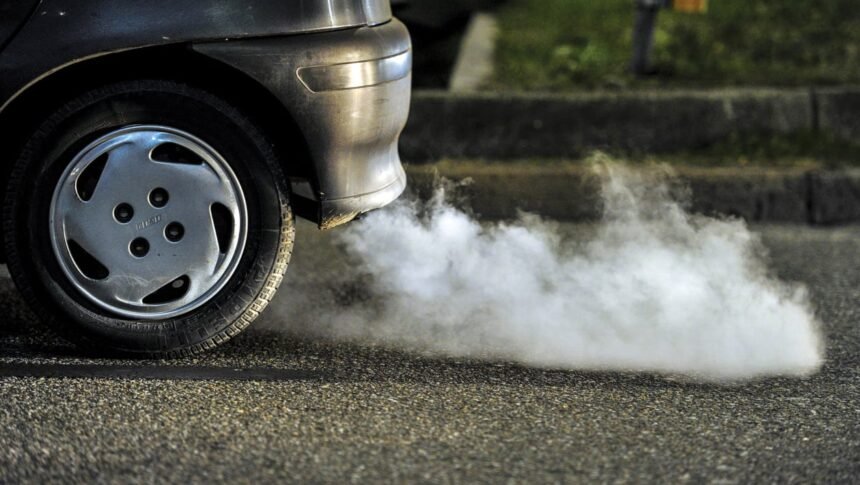
The pollutants that the European emission standards aim to reduce include nitrogen oxide (NOx), carbon monoxide (CO), hydrocarbons (THC and NMHC) and particulate matter (PM), which is basically soot from diesel cars. The knock-on effect of reducing these can also mean improved fuel economy and lower CO2 emissions.
NOx is a harmful pollutant that is often blamed for damaging the environment, and has also been proven to have serious health implications. Particulate matter, meanwhile, is a local pollutant that has also been linked to health and respiratory problems. A firm date for the introduction of the Euro 7 standards has yet to be set, but it is believed that this will be the final emission standard to be introduced before the sale of new combustion-powered cars is phased out completely. We would expect to see them in force by 2025.
Euro 6 regulations set different emissions standards for petrol and diesel cars, in order to reflect the different kinds of pollutants the two fuels produce. For diesels, the permitted level of NOx emitted has dramatically dropped to a maximum of 80mg/km, compared to the 180mg/km level that was required for cars that met the previous Euro 5 emissions standard. In contrast, the NOx limit for petrol cars remained unchanged from Euro 5, as it was already low at 60mg/km.
Diesel cars and the Euro 6 emissions standards
Older diesel cars that produce higher levels of NOx and particulate matter have been under fire from a number of environmental groups for a few years now. The UK Government has been blamed for previously enticing consumers into diesel cars, which are considered to be more environmentally harmful, with past road tax and company car tax structures that benefit low CO2 emissions.