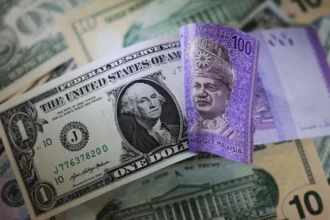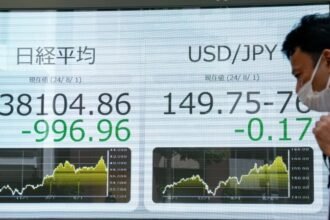

The Indian rupee has climbed to become Asia’s best-performing currency this November, advancing roughly 2% against the US dollar amid robust foreign investment and declining global crude oil prices.
Data from Reuters shows that the Indian currency hit a seven-month high on Wednesday, November 18, building on a steady recovery fueled by renewed confidence in domestic financial markets. During Tuesday’s session, the rupee strengthened to 93.40 per dollar before settling at a closing rate of 93.47.
Driving this momentum, foreign investors have pumped nearly US$10 billion into Indian equities so far this month. Simultaneously, falling global oil prices have eased dollar demand for energy imports, providing vital relief to India as one of the world’s leading oil buyers.
Regional Currency Movements
While the Indian rupee leads regional gains, other South Asian currencies display varying trends:
-
Sri Lanka: The Sri Lankan rupee held relatively stable on Wednesday, with the Central Bank recording a buying rate of Rs. 328.33 and a selling rate of Rs. 337.23, though the currency has faced mild depreciation over the past month.
-
Pakistan: The Pakistani rupee maintained stability, hovering between 276 and 277 against the dollar.
-
Bangladesh: The Bangladeshi taka traded near 125 per dollar.
-
Nepal: The Nepalese rupee gained support indirectly from the Indian currency’s rebound due to its fixed exchange rate peg.
Market analysts note that while sustained foreign inflows and favorable oil prices could provide ongoing support, global financial conditions and currency volatility continue to pose potential risks.